Who Are Nigeria's New Voters?
With nearly 10 million new voters added to Nigeria’s register, we spoke to first-time registrants across the country about what pushed them to register and what they expect from the next election.
 Go Back
Publications
With nearly 10 million new voters added to Nigeria’s register, we spoke to first-time registrants across the country about what pushed them to register and what they expect from the next election.
Interviewers
Taxi
Date
Read
5 mins
Essay
Taxi Editorial
Date
Read
5 mins
Share


INEC closed the last phase of Continuous Voter Registration in July with about 10 million new names added to the roll. Two-thirds of them are 18 to 34. The Northwest recorded the most new registrations, followed by the Southeast, North Central, South South, Southwest and Northeast. Osun recorded almost no new registrations in the final weeks, after registration was frozen ahead of its governorship election.
But none of that guarantees anything on election day. In 2023, young people also made up the majority of new registrants. Turnout was 26.72 percent, the lowest since 1999. In February, area council polls in the FCT and by-elections in Rivers and Kano also recorded low turnout. People register but people don't always show up.
Whatever happens next, these numbers will be used to explain it. High turnout becomes proof the youth showed up. Low turnout becomes proof that they only ever talk. Both versions get written with the confidence of hindsight. This is the version written before that.
We asked five first-time registrants from six cities to explain why they registered.
All names have been changed to protect the privacy of respondents.
Why did you register this time?
Because last time I wasn't up to 18. I did not grow a conscience overnight.
Some people who were eligible in 2023 still have not registered.
True. A lot of my older friends did not register at all. “Why bother? They will just write whatever result they want anyway, and our vote doesn't change that.” I don't necessarily disagree with them. I just decided I would rather have tried.
What scares you most about actually going out to vote?
Honestly, the queue itself scares me more than anything political. I really hate standing in line for hours under the sun with no shade, no idea how far the line has moved and nobody telling you anything. I have heard tales of people queuing since 6am and still not voting by 9pm. That kind of wait can break your will before you even get to the ballot box.
Why didn't you vote before now?
In 2023 I was registered in Anambra and there was no way I was traveling back just to vote. When I decided to transfer my polling unit, the window had closed. I ended up sitting that one out.
Do you think you will actually vote as opposed to just having the card?
I now live and work here in Abuja, so yes. It would be strange to build a life somewhere and not bother deciding who runs it. And not everyone has the option to just leave the country if things go bad.
Why didn't you vote before now?
Disinterest, mostly. And honestly, the chaos of Lagos itself put me off. The idea that whatever disorder you deal with every day just follows you to the polling unit too. I haven't been interested in dealing with that kind of stress.
What changed?
I can't point to one thing. It built up. Watching decisions I have no say in directly affect my rent, my commute and what my salary can actually buy. Just a few years ago I could get a full plate of rice, chicken, coleslaw and plantain for 1500 naira. Now that same meal is nowhere near that price and my salary hasn't moved to match it.
Do you think that shift is common among people your age?
I think a lot of us assumed things would sort themselves out without us. That assumption is dying now.
Why didn't you vote before now?
I left the country at 17 and came back last year. I wasn't in the country and I hadn't been old enough before that anyway.
What surprised you most when you came back?
How normalized the dysfunction has become. Things I would have found shocking at 17 are just another Tuesday now.
Has that made you more inclined to vote?
More. The country is a mess and I don't want to just complain about it from the sidelines. Registering felt like the barest minimum.
Why didn't you vote before now?
I wasn't old enough in 2023. But if I'm completely honest, even if I had been, I am not sure I would have felt the urgency I feel now. I live in a part of Jos that has stayed fairly calm, but calm here just means the trouble hasn't reached this specific street yet. You hear about an attack somewhere in the state and think “that's not really close” and then you remember close is relative here.
Did that fear play into your decision to register?
I don't have the luxury of treating security as just a talking point. It is always the first question I have about anyone asking for my vote. Everything else is secondary until that is addressed.
Do you believe your vote can affect that?
One vote obviously cannot fix an entire security infrastructure. But not registering felt like opting out of even asking the question and I wasn't willing to do that.
Ten million new names on a register. Whether those ten million registrations translate into votes next year is something nobody can promise, including the six people above.
*Data compiled from INEC registration figures reported by The Nation, Punch, Daily Post, Tribune and The Guardian (March–July 2026).
Interview
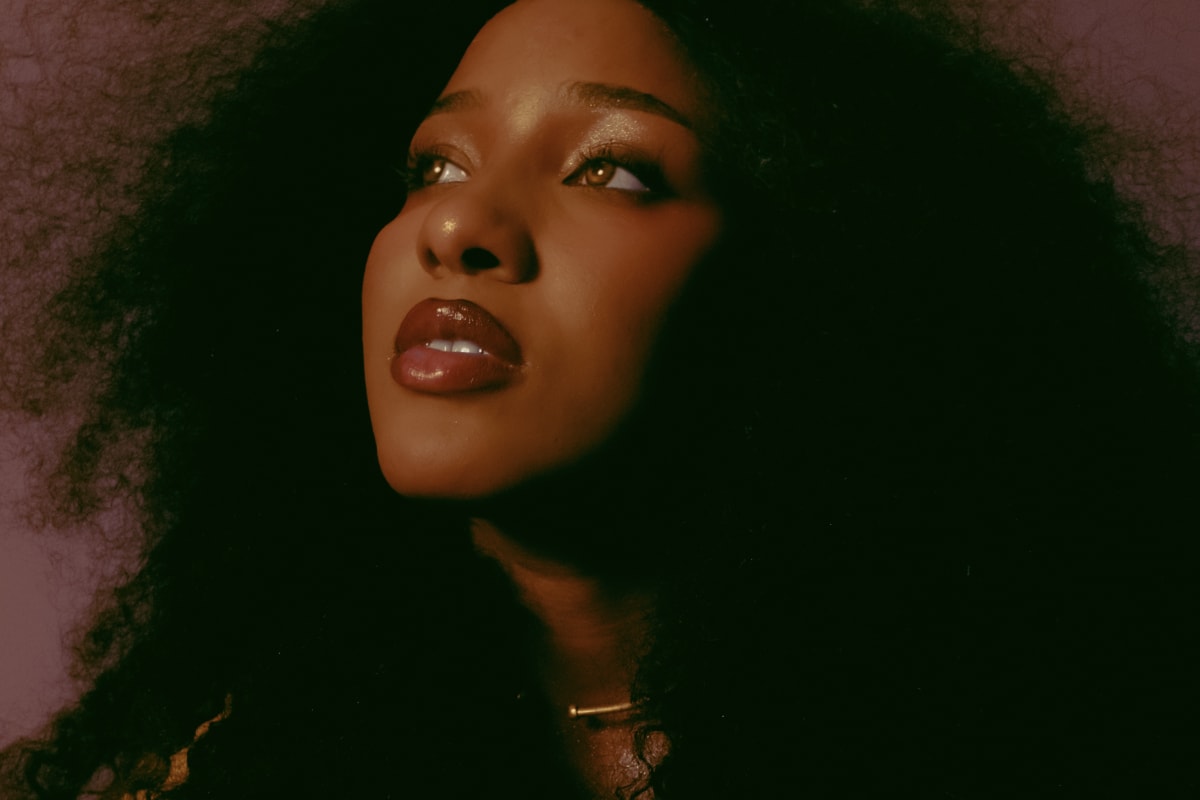
Sehb talks about finding her way into music, trusting her instincts and resisting the pressure to make everything perfect.
Author
Tosin Okewole
Duration
8 mins
Essay

With nearly 10 million new voters added to Nigeria’s register, we spoke to first-time registrants across the country about what pushed them to register and what they expect from the next election.
Author
Taxi Editorial
Duration
5 mins
Art
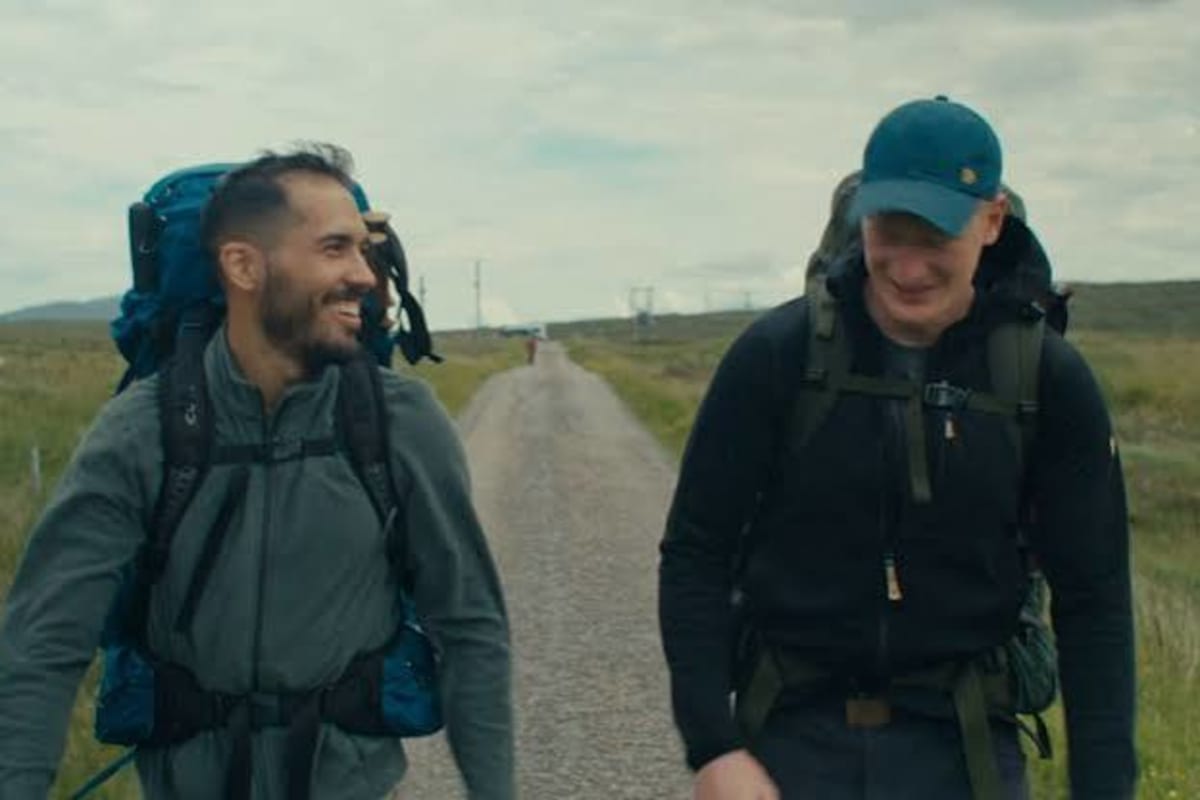
In this essay, Tobi reflects on The North, a film about two friends walking 600 km through the Scottish Highlands and what it has to say about friendship and time.
Author
Tobi Are
Duration
5 mins